Choosing the Perfect Material for Your Awards

When it comes to recognizing achievements, the material of the award plays a crucial role in conveying the significance of the accomplishment. The right material not only enhances the aesthetic appeal of the award but also reflects the values and prestige of the recognition being given. In this blog post, we will explore various materials used for awards, their unique characteristics, and how to choose the perfect one for your needs.

Understanding Different Award Materials
Awards can be made from a variety of materials, each offering distinct advantages and aesthetic qualities. Here are some of the most popular options:
Glass and Crystal
Glass and crystal awards are known for their elegance and clarity. They can be molded into intricate shapes and designs, making them a favorite for many organizations.
Pros:
- High-quality appearance
- Customizable with engravings
- Reflects light beautifully, adding to its visual appeal
Cons:
- Can be fragile and prone to breakage
- Heavier than some other materials
Acrylic
Acrylic awards are a versatile and cost-effective alternative to glass and crystal. They can mimic the look of glass while being more durable and lightweight.
Pros:
- Affordable and available in various colors
- Resistant to shattering
- Can be easily shaped and customized
Cons:
- May scratch more easily than glass
- Less prestigious appearance compared to crystal
Metal
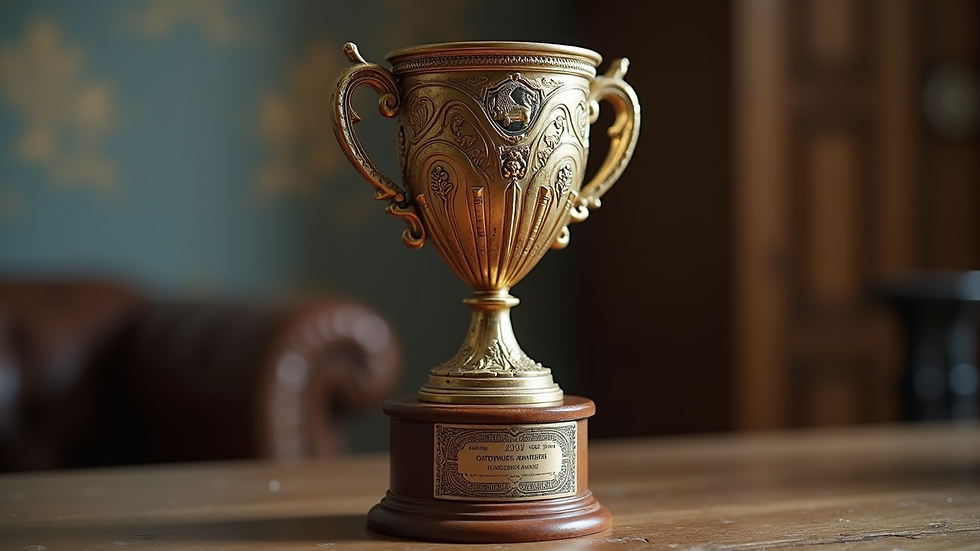
Metal awards, such as those made from brass, aluminum, or stainless steel, offer a modern and robust look. They are often used for corporate awards and can be finished in various ways, including polishing or anodizing.
Pros:
- Durable and long-lasting
- Can be engraved or embossed for personalization
- Offers a sleek, contemporary aesthetic
Cons:
- Heavier than other materials
- May require more maintenance to keep looking pristine
Wood
Wooden awards provide a warm and natural feel. They are often used for community awards or in settings where a more rustic or traditional look is desired.
Pros:
- Unique grain patterns make each award one-of-a-kind
- Eco-friendly option if sourced sustainably
- Can be engraved or printed on for personalization
Cons:
- May not have the same level of prestige as glass or metal
- Can be susceptible to wear and tear over time
Stone
Stone awards, such as those made from marble or granite, convey a sense of permanence and strength. They are often used for significant achievements or milestones.
Pros:
- Extremely durable and long-lasting
- Unique and luxurious appearance
- Can be engraved for personalization
Cons:
- Heavy and may be difficult to transport
- More expensive than other materials
Factors to Consider When Choosing Award Materials
Selecting the right material for your awards involves considering several factors. Here are some key points to keep in mind:
Purpose of the Award
Understanding the purpose of the award is crucial. Is it for a corporate achievement, a community recognition, or a personal milestone? The material should reflect the significance of the occasion.
Budget
Your budget will significantly influence your choice of material. While glass and crystal may offer a high-end look, they can also be more expensive. Acrylic and wood can provide excellent alternatives at a lower cost.
Aesthetic Appeal
Consider the visual impact of the award. Does it need to convey elegance, modernity, or tradition? The material you choose should align with the image you want to project.
Customization Options
If personalization is important, ensure the material you choose can be easily customized. Some materials, like acrylic and wood, are easier to engrave than others.
Durability
Think about how the award will be used and displayed. If it will be handled frequently or displayed in a high-traffic area, a more durable material may be necessary.
Popular Award Materials in Detail
Let’s take a closer look at some of the most popular materials used for awards and their specific applications.
Glass and Crystal Awards
Glass and crystal awards are often seen as the epitome of elegance. They are commonly used for:
Academic Achievements: Graduations and honors ceremonies often feature glass awards to celebrate academic excellence.
Sports Trophies: Many sports organizations opt for crystal trophies to recognize outstanding athletic performance.
Acrylic Awards
Acrylic awards are increasingly popular due to their versatility. They are often used for:
Employee Recognition: Companies frequently use acrylic awards for employee of the month or annual recognition ceremonies.
Community Events: Local organizations often choose acrylic awards for their affordability and customization options.
Metal Awards
Metal awards are favored for their modern look and durability. They are commonly used for:
Corporate Awards: Many businesses use metal awards to recognize outstanding performance among employees or partners.
Industry Competitions: Metal trophies are often awarded in competitive events to signify achievement and excellence.
Wooden Awards
Wooden awards offer a unique and personal touch. They are often used for:
Community Recognition: Local organizations may choose wooden awards to honor volunteers or community leaders.
Traditional Events: Events with a historical or cultural significance often feature wooden awards.
Stone Awards
Stone awards are less common but convey a strong sense of permanence. They are often used for:
Lifetime Achievements: Awards recognizing lifetime contributions or achievements may be made from stone to signify lasting impact.
Memorial Awards: Stone awards can serve as a tribute to individuals who have made significant contributions to a cause.
Customization and Personalization
One of the most important aspects of awards is the ability to customize them. Personalization adds a unique touch that can make the award even more special. Here are some common ways to customize awards:
Engraving
Engraving is a popular method for adding names, dates, and messages to awards. Most materials, including glass, metal, and wood, can be engraved.
Printing
For more intricate designs or logos, printing may be used. This method is often applied to acrylic and wood awards, allowing for full-color images and text.
Color Options
Many materials come in various colors or finishes. For example, acrylic awards can be found in a range of vibrant colors, while metal awards can be polished or brushed for different effects.
Conclusion
Choosing the perfect material for your awards is essential to ensure they reflect the significance of the achievements being recognized. By considering factors such as purpose, budget, aesthetic appeal, and customization options, you can select an award that not only honors the recipient but also enhances the overall experience of recognition.
Remember, the right award can leave a lasting impression, so take the time to choose wisely. Whether you opt for the elegance of glass, the durability of metal, or the warmth of wood, each material has its unique charm that can elevate the meaning of the award.
As you embark on this journey of recognition, consider what will resonate most with your recipients and create awards that they will cherish for years to come.

Comments